Alexandra Coffey is an artist from Calgary, Alberta, currently based in Victoria, British Columbia. She is a fifth-year Visual Arts student at the University of Victoria, working primarily in digital media, video, and installation. Although her recent practice centers on video collage and mixed-media installations, Coffey has an early foundation in painting, which continues to influence the richness and material sensibility of her digital work. With five years of experience in science education at the Royal Tyrrell Museum in Alberta, she brings a unique interdisciplinary approach to art-making—bridging paleontology, data interpretation, and accessible public education. Her work frequently incorporates 3D scanning, sound and musical sampling, and found imagery, merging scientific methods with poetic visual narratives. Coffey’s practice aims to spark environmental awareness through the lens of deep time, extinction events, and the layered histories of landscapes around the globe. Her work has been exhibited at venues such as the Audain Gallery and The Void in Victoria. Through her installations and time-based works, she continues to explore how memory, ecology, and prehistoric narratives can converge to evoke reflection on the planet’s past and future.
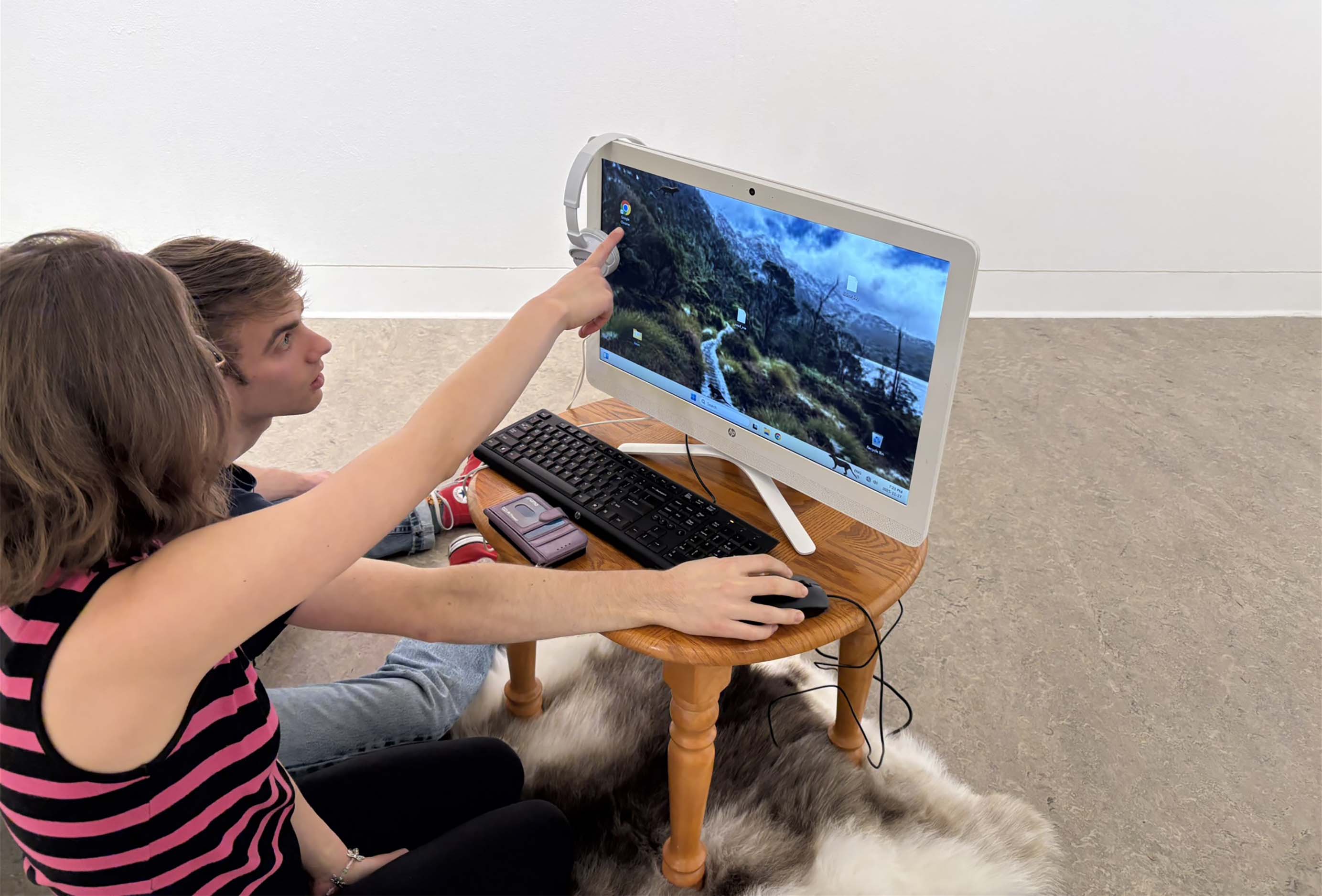
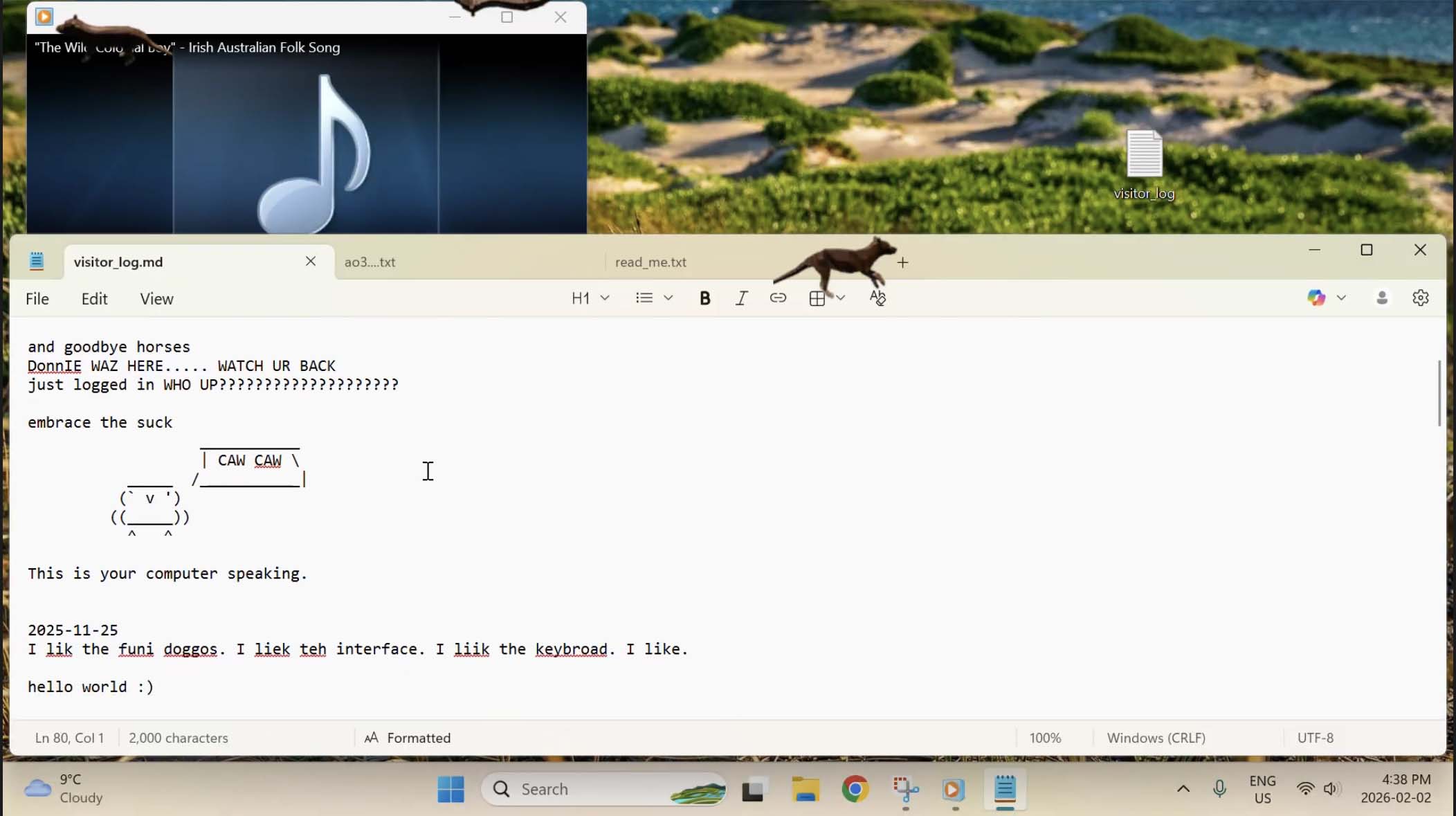
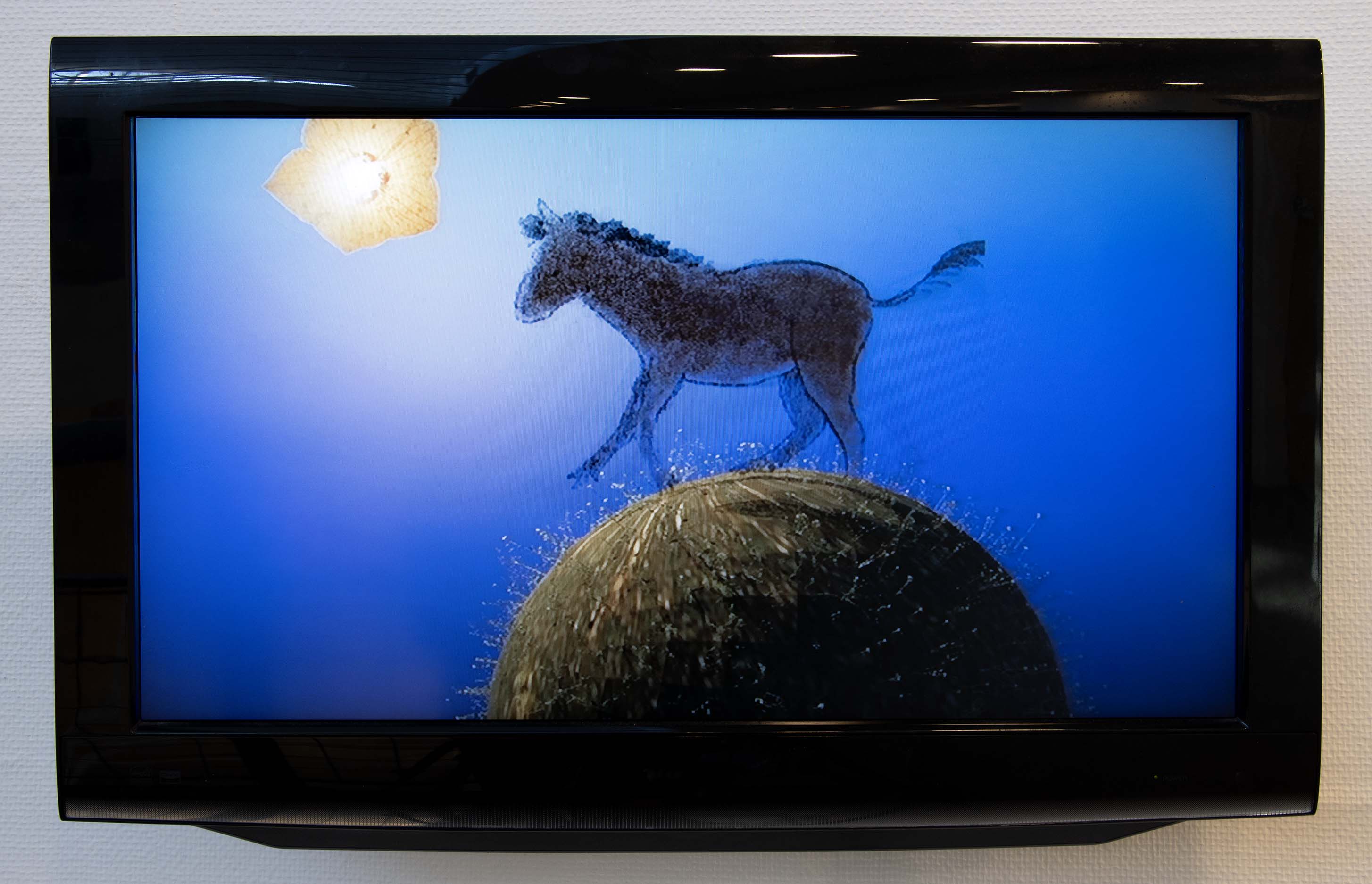
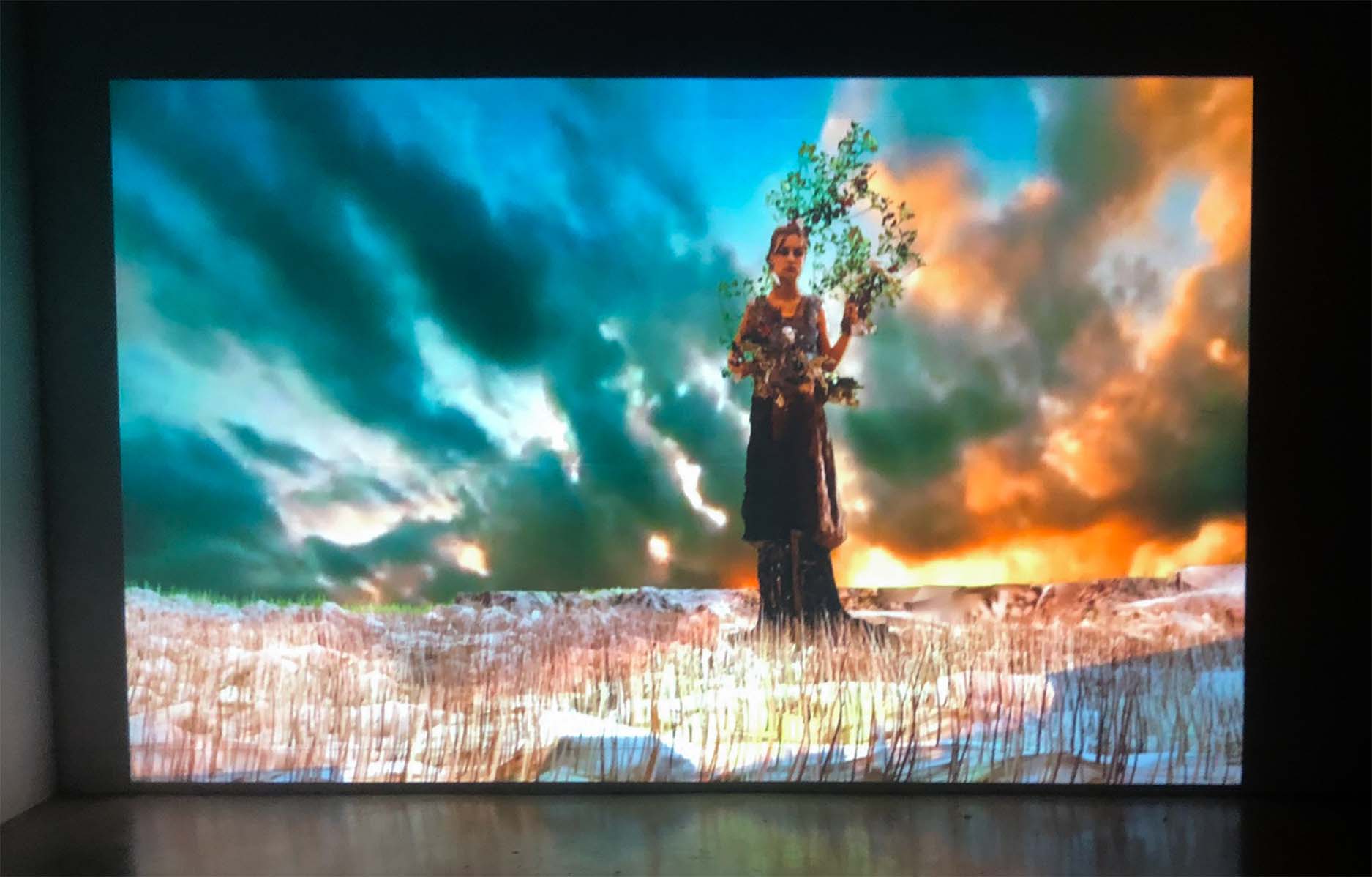
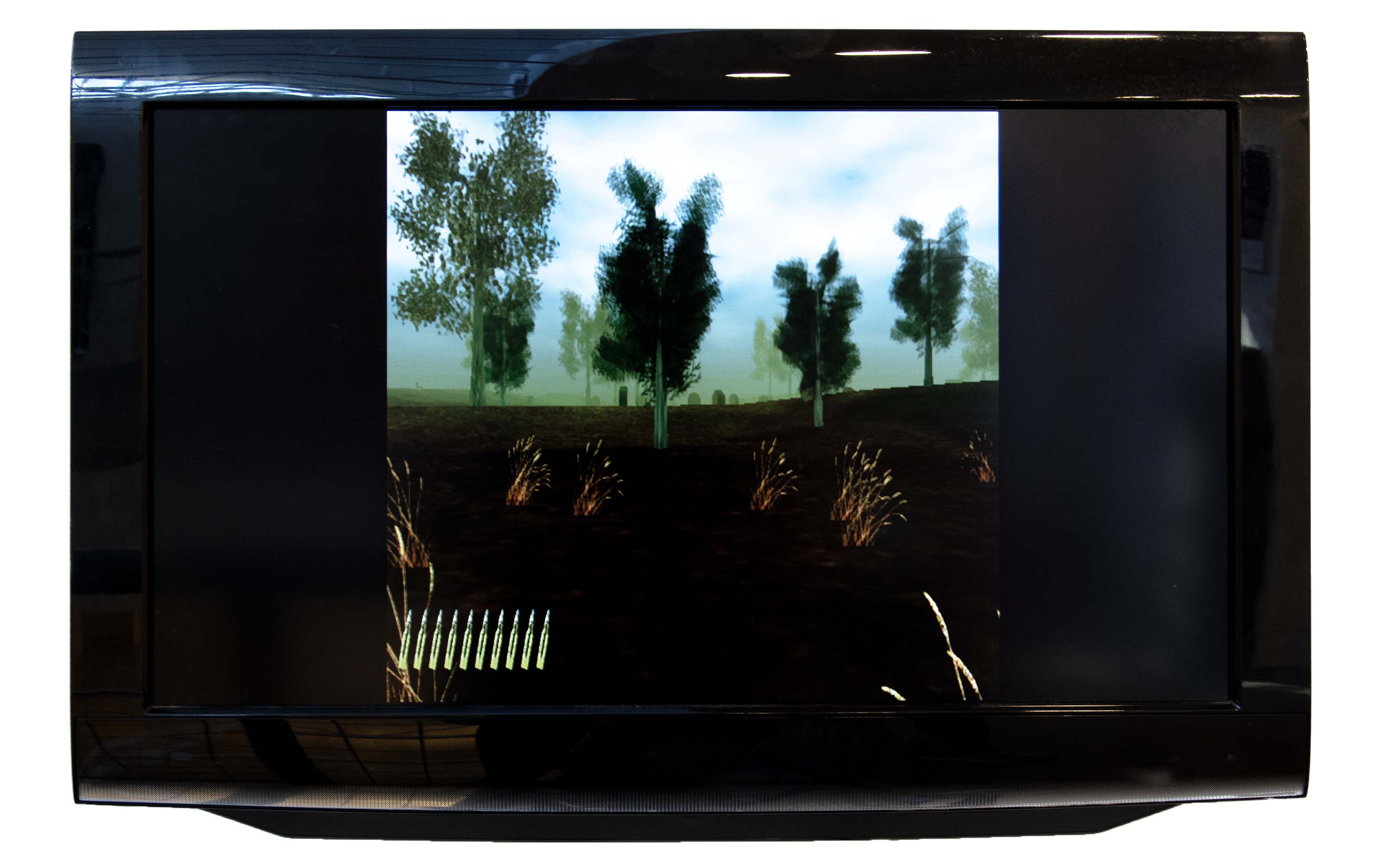
My practice is primarily installation- and video-based, often taking the form of layered video collages that blend poetry, paleoart, and digital experimentation. I work across media, including projected video, sound, 3D scanning, archival imagery, and sculptural elements. I have recently been exploring making art in interactive media, such as video games and desktop exploration. Much of my practice is informed by paleontology and the Earth's deep history. I am interested in how past extinction events can help us understand the fragility of present-day ecosystems and imagine more sustainable futures. Through immersive, sometimes haunting visual environments, my work invites viewers to consider what is lost over time, how landscapes remember, and how human actions participate in cycles of destruction and regeneration. Ultimately, I aim to encourage audiences to reflect on extinction—both prehistoric and ongoing—and to inspire environmental conservation.