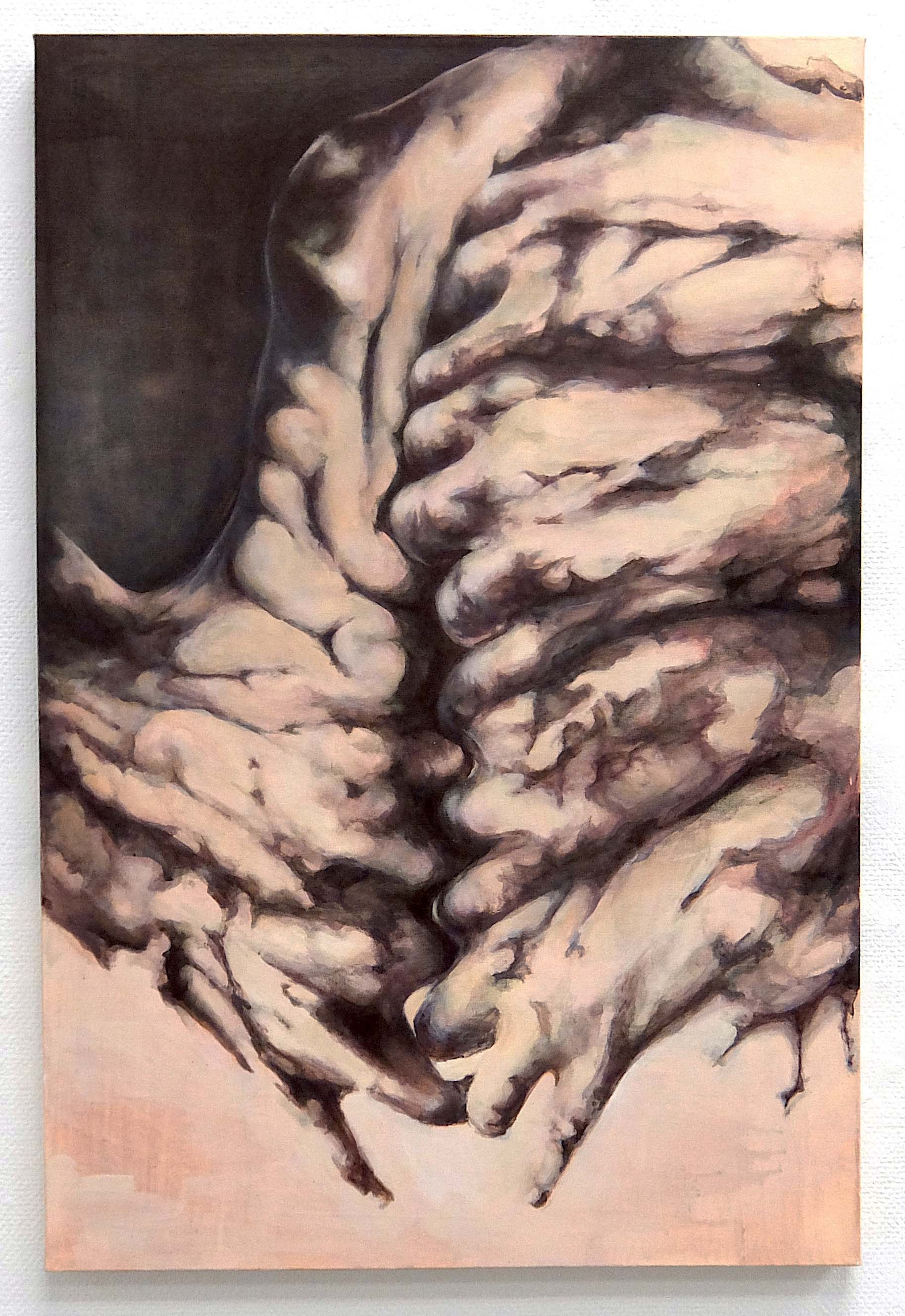
Amelia Powell (she/her) is a queer settler artist practicing on the unceded territories of the Lək̓ ʷəŋən peoples. She is currently a student at the University of Victoria (UVIC), pursuing a BSc in Psychology and a Minor in Visual Art. Her practice combines elements of both of these fields, exploring and challenging our brain’s automatic processing systems through acrylic paintings and a mixed media arsenal. Powell has been involved with a number of exhibitions, including Objects of Affection, curated by Sophia Seward in 2024, Wanton Everything Bagel, curated by Leda Shields (2024), Ode to Oleander, curated by Joni McConnell (2025), and she has recently begun curating exhibitions in conjunction with the UVIc BFA graduating class of 2026. Her curatorial projects include Starting Small (2025), Delicacies (2025), both exhibited in the UVIC’s Mezzanine Gallery, Spillways (2025), From the Living Room (2026), which both exhibited in UVIC’s Audain Gallery, and the upcoming group exhibition, Say When, which will take place in April 2026 in UVIC’s Visual Art Building, and finally her upcoming solo exhibition, Pulp, opening in August of 2026 at the Little Fernwood Gallery in Victoria, BC.
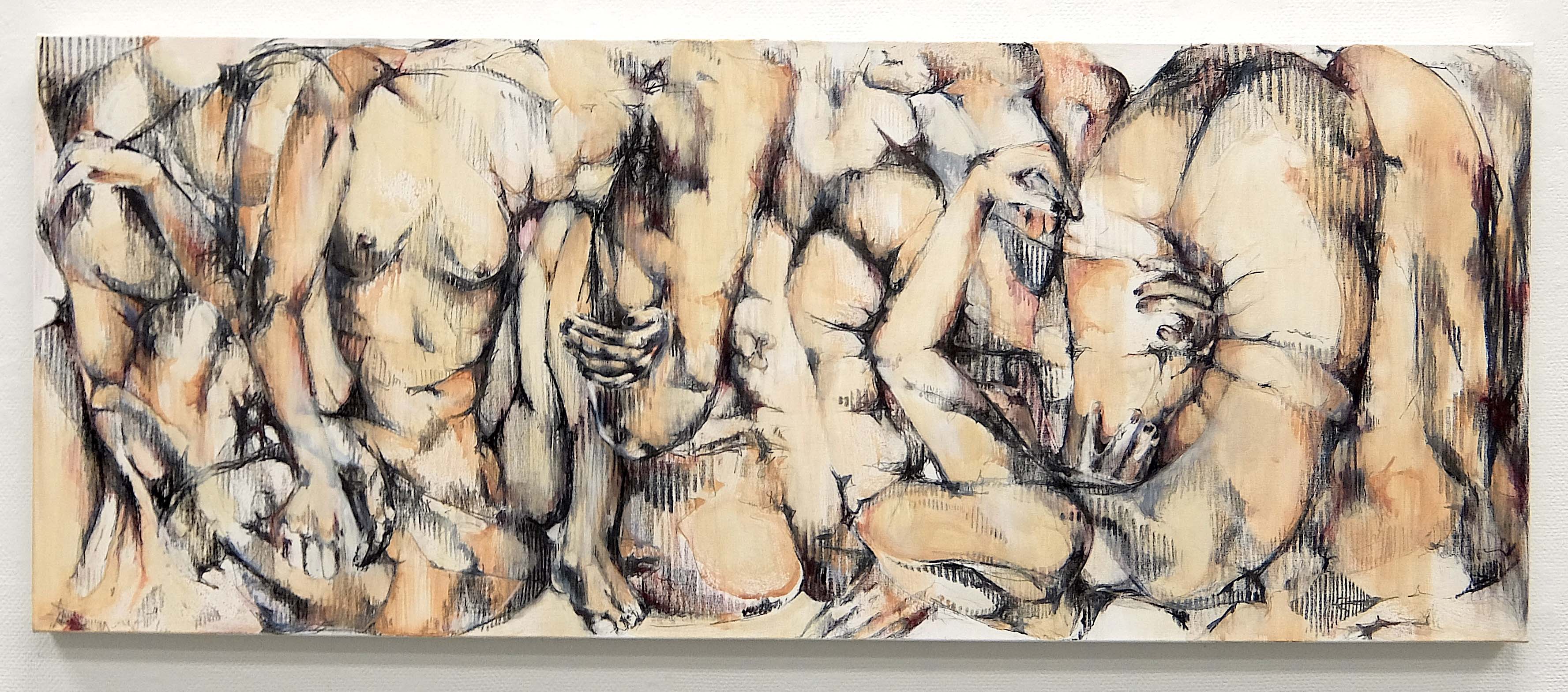
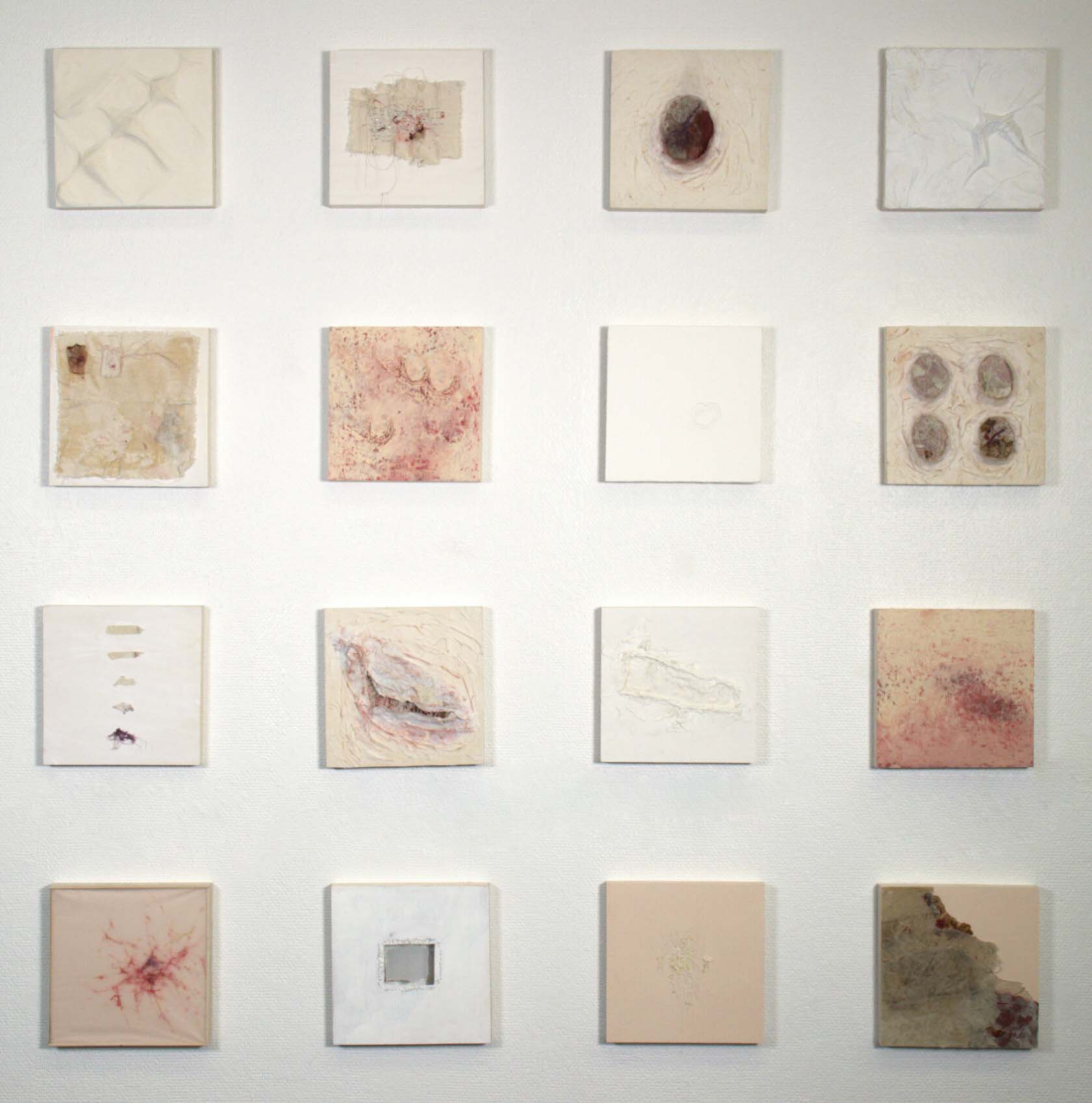
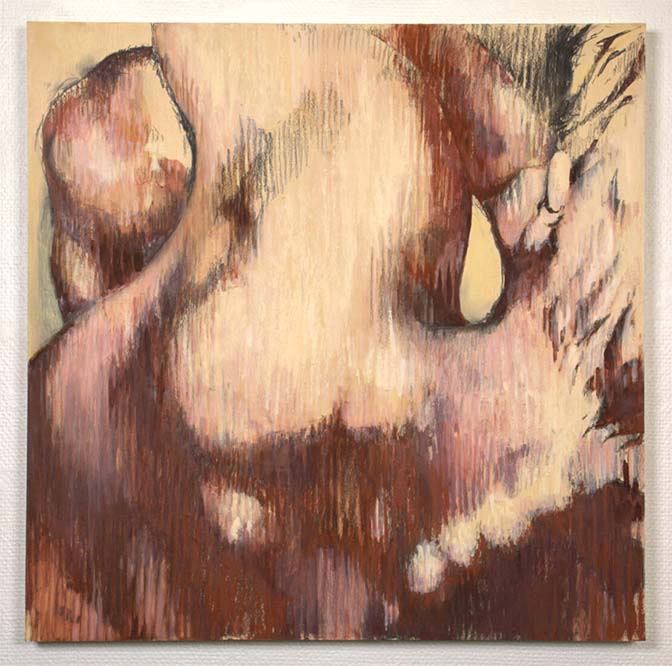
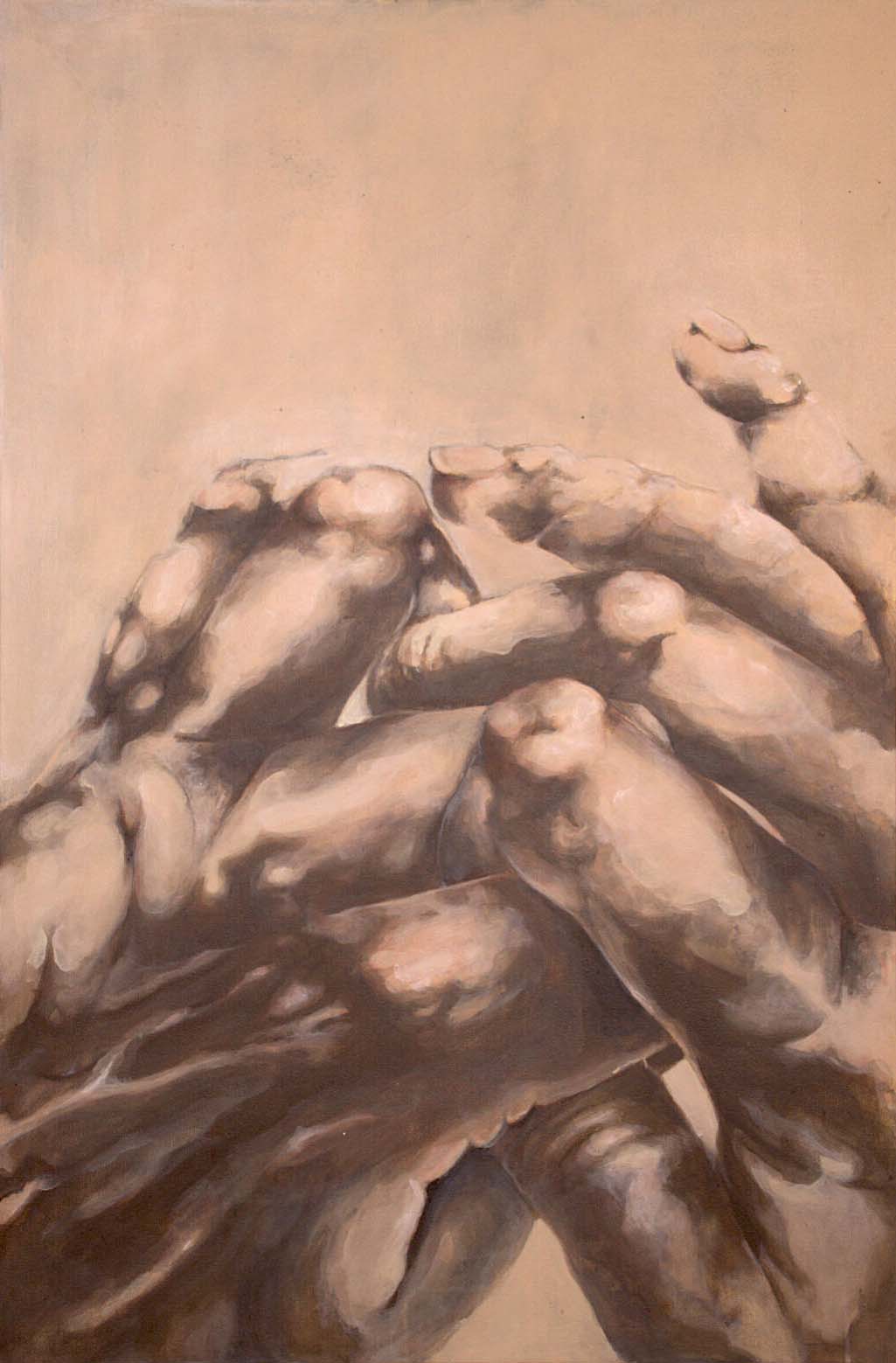
Amelia Powell is a queer emerging artist currently located on the unceded territories of the Lək̓ ʷəŋən peoples. Her practice is driven by a tendency to recontextualize recognizable forms, materials, and iconography in order to question the concept of familiarity. Informed by her background in psychology, Powell’s recent work examines how we sort stimuli into mental categorization systems, and how arbitrary the distinctions between these categories can be. Her work aims to highlight, activate, and interrupt these automatic processes that the human brain relies on to understand new information. Powell works with a wide range of materials, including acrylics, oils, watercolour, graphite, pencil crayons, regular crayons, medical waste, paper scraps, dried leaves, foraged bones, and other things that border on garbage. The experience of being challenged by a material or surface is one that inspires her to continue to push her practice in new directions. She is incredibly interested in the transformation of discarded materials into new objects and experiences, making something familiar out of something entirely unfamiliar. She sees this process as a mimicry of how the human brain processes and synthesizes information. Powell’s work exists in the in-between space of seemingly discrete categories – balancing in the grey areas between memory and history, between ourselves and our community, between trash and treasure. Touching on themes of nostalgia, identity formation, and retroactive romanticization, her practice is challenging the constructed boundaries that exist within our cognitive processing systems.